How to Plan a Spiritual Journey in India
How to Plan a Spiritual Journey in India: Top Temples and Pilgrimages to Visit
Introduction
India has been a beacon for spiritual seekers for centuries, drawing millions of pilgrims to its sacred rivers, ancient temples, and holy cities every year. From the banks of the Ganges in Varanasi to the Himalayan shrines of Kedarnath and Badrinath, the country offers countless opportunities to connect with your spiritual side.
Planning a spiritual journey in India involves more than booking a ticket—it’s about timing, choosing the right destinations, and ensuring a comfortable travel experience. Whether you’re visiting for self-discovery, religious devotion, or cultural exploration, this guide will help you plan a fulfilling trip through India’s spiritual heart.
For those seeking well-organized tours, India Tour Packages and Golden Triangle Tour Packages can be customized to include key pilgrimage sites across the States of India.
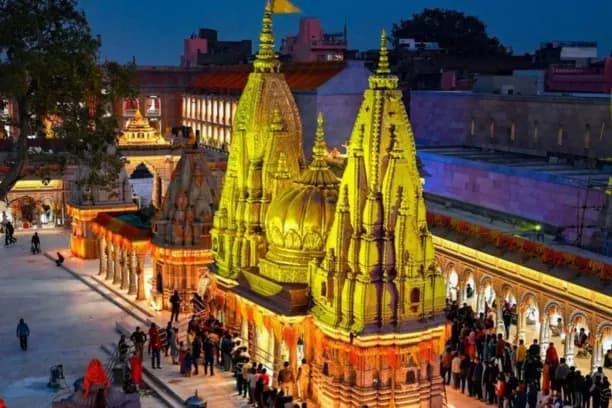
Quick Reference Table: Top Temples and Pilgrimage Destinations
| Destination | State | Best Time to Visit | Highlight |
|---|---|---|---|
| Varanasi (Kashi Vishwanath Temple) | Uttar Pradesh | Oct–Mar | Ganga Aarti, Ancient Shiva Temple |
| Kedarnath Temple | Uttarakhand | May–Oct | Himalayan Shrine of Lord Shiva |
| Badrinath Temple | Uttarakhand | May–Oct | Part of Char Dham Yatra |
| Golden Temple (Harmandir Sahib) | Punjab | Oct–Mar | Sikh’s Holiest Shrine |
| Vaishno Devi Temple | Jammu & Kashmir | Mar–Oct | Cave Temple Pilgrimage |
| Tirupati Balaji Temple | Andhra Pradesh | Sept–Feb | Wealthiest Temple in India |
| Meenakshi Amman Temple | Tamil Nadu | Oct–Mar | Dravidian Architecture |
| Jagannath Temple (Puri) | Odisha | Nov–Feb | Rath Yatra Festival |
| Somnath Temple | Gujarat | Oct–Mar | First of the 12 Jyotirlingas |
| Dwarkadhish Temple | Gujarat | Oct–Mar | Lord Krishna’s Kingdom |
1. Varanasi – Kashi Vishwanath Temple
Considered the spiritual capital of India, Varanasi is home to the Kashi Vishwanath Temple, dedicated to Lord Shiva. The Ganga Aarti held every evening at Dashashwamedh Ghat is a divine spectacle. Pilgrims believe that bathing in the Ganges here cleanses the soul.
Travel Tip: Combine Varanasi with a visit to Mathura and Vrindavan for a Krishna-centered experience.
2. Kedarnath Temple, Uttarakhand
One of the most revered Jyotirlingas of Lord Shiva, Kedarnath sits amidst snow-capped peaks at 3,583 meters above sea level. The temple is accessible only during summer months due to heavy snowfall.
Travel Tip: Book helicopter services in advance for easier access, especially for elderly pilgrims.
3. Badrinath Temple, Uttarakhand
Dedicated to Lord Vishnu, Badrinath is part of the Char Dham Yatra and one of India’s most sacred pilgrimage sites. The temple is surrounded by the Nar and Narayan mountain ranges.
Travel Tip: Combine Kedarnath and Badrinath for a complete Uttarakhand spiritual circuit.
4. Golden Temple, Amritsar
The Golden Temple or Harmandir Sahib is the holiest site in Sikhism. Its gold-covered dome, serene water tank, and community kitchen (langar) that serves free meals to thousands daily make it a must-visit.
Travel Tip: Visit early morning or late evening to experience the temple’s peaceful ambiance.
5. Vaishno Devi Temple, Jammu & Kashmir
A revered shrine of Goddess Durga, Vaishno Devi is located inside a cave in the Trikuta Mountains. Pilgrims trek 12 km from Katra to reach the sanctum, though helicopter services are available.
Travel Tip: Plan your trip between March and October for the best weather.
6. Tirupati Balaji Temple, Andhra Pradesh
Also known as Sri Venkateswara Temple, Tirupati is one of the wealthiest and most visited temples in the world. Devotees often shave their heads here as a sign of humility and devotion.
Travel Tip: Book darshan tickets online to avoid long queues.
7. Meenakshi Amman Temple, Madurai
A masterpiece of Dravidian architecture, the Meenakshi Temple is dedicated to Goddess Meenakshi (Parvati) and Lord Sundareswarar (Shiva). Its towering gopurams (gateway towers) are covered in colorful sculptures.
Travel Tip: Visit during the Meenakshi Thirukalyanam festival in April for a grand cultural experience.
8. Jagannath Temple, Puri
One of the Char Dham pilgrimage sites, Jagannath Temple is famous for its annual Rath Yatra, during which massive chariots carry the deities through the streets of Puri.
Travel Tip: Non-Hindus cannot enter the temple, but they can get a view from the nearby Raghunandan Library rooftop.
9. Somnath Temple, Gujarat
Known as the "Protector of the Moon God," Somnath is the first of the 12 Jyotirlingas and has been destroyed and rebuilt several times throughout history.
Travel Tip: Attend the evening light and sound show for a historical insight into the temple.
10. Dwarkadhish Temple, Gujarat
Believed to be the original kingdom of Lord Krishna, Dwarka’s Dwarkadhish Temple is a major pilgrimage site for Vaishnavites. Its five-story structure is supported by 72 pillars.
Travel Tip: Combine with a visit to Bet Dwarka island for a complete Krishna pilgrimage.
Planning Tips for a Spiritual Journey in India
-
Choose the Right Season: Most temples are best visited between October and March for pleasant weather.
-
Combine Nearby Pilgrimages: Save time and cost by visiting temples in clusters (e.g., Kedarnath & Badrinath).
-
Book Accommodation Early: Especially during major festivals like Rath Yatra or Diwali.
-
Follow Temple Etiquette: Dress modestly, remove footwear before entry, and avoid carrying prohibited items.
-
Use Reputed Tour Operators: A trusted agency like Driver India Private Tour ensures smooth transfers, knowledgeable guides, and personalized itineraries.
Suggested Spiritual Tour Routes
-
North India Spiritual Route: Delhi → Haridwar → Rishikesh → Kedarnath → Badrinath → Varanasi.
-
South India Temple Circuit: Chennai → Tirupati → Madurai → Rameswaram → Kanyakumari.
-
West India Pilgrimage: Dwarka → Somnath → Girnar → Palitana.
When to Visit for Festivals
-
Holi (March): Best in Mathura & Vrindavan.
-
Rath Yatra (June/July): Jagannath Temple, Puri.
-
Diwali (Oct/Nov): Celebrated nationwide, especially in Varanasi & Jaipur.
-
Navratri (Sept/Oct): Best in Gujarat for Garba dances and temple rituals.
Call to Action – Start Your Spiritual Journey with Experts
India’s temples and pilgrimages are not just religious destinations—they are living museums of history, culture, and devotion. Whether you want to meditate by the Ganges, trek to a Himalayan shrine, or witness the grandeur of temple festivals, Driver India Private Tour can craft a journey that’s deeply personal and spiritually rewarding.
📍 Website: driverindiaprivatetour.com
📞 Call/WhatsApp: +91-9717121683
Let us guide you to India’s most sacred places—comfortably, respectfully, and meaningfully.
FAQs
1. What are the most important temples and pilgrimage sites to visit in India?
Some of the most renowned spiritual destinations include the Kashi Vishwanath Temple in Varanasi, Golden Temple in Amritsar, Jagannath Temple in Puri, Tirupati Balaji Temple in Andhra Pradesh, Somnath Temple in Gujarat, and Vaishno Devi Shrine in Jammu & Kashmir. Each site holds deep religious significance and attracts millions of devotees annually.
2. When is the best time to plan a spiritual journey in India?
The ideal time is October to March, when the weather is pleasant for travel. Some pilgrimages also have specific festival dates, such as Kumbh Mela, Navratri, or Rath Yatra, which can enhance the spiritual experience.
3. How should I prepare for visiting temples in India?
Dress modestly, covering shoulders and knees. Many temples require visitors to remove footwear before entering. Carry a scarf or shawl for head covering where necessary, and avoid carrying prohibited items like leather goods inside temple premises.
4. Are guided tours available for temple visits in India?
Yes, many travel agencies and local guides offer spiritual tour packages that include transportation, accommodation, and experienced guides. These tours often cover multiple temples in one itinerary for a deeper cultural and religious immersion.
5. Is it safe for solo travelers to go on a pilgrimage in India?
Most major pilgrimage sites are safe, but it’s important to stay alert, especially in crowded areas. Solo travelers should use trusted tour operators, keep valuables secure, and follow local customs and guidelines.


Comments
Post a Comment