Top 10 Must-Visit Monuments in India
Top 10 Must-Visit Monuments in India: A Complete Guide to India’s Iconic Historical Landmarks
Introduction
India is a land where history whispers from every corner—through majestic forts, ancient temples, Mughal palaces, and colonial masterpieces. From the romance of the Taj Mahal to the regal walls of Jaipur’s Amber Fort, these monuments are not just architectural wonders but living storytellers of India’s glorious past. Whether you’re planning a Golden Triangle Tour or a countrywide journey through the States of India, these top 10 monuments deserve a place in your itinerary.
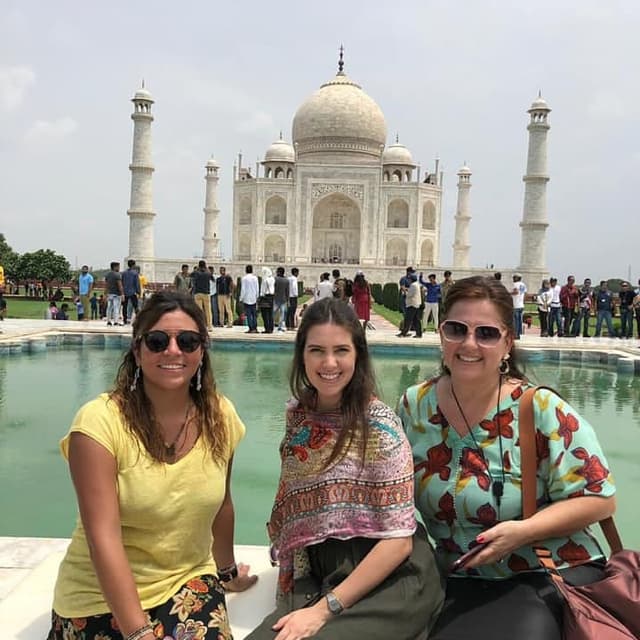
Table: Quick Overview of India’s Top Monuments
| Monument | Location | Best Time to Visit | Famous For |
|---|---|---|---|
| Taj Mahal | Agra, Uttar Pradesh | Oct–Mar | Symbol of Love, Mughal Architecture |
| Qutub Minar | Delhi | Oct–Mar | Tallest Brick Minaret |
| Amer Fort | Jaipur, Rajasthan | Oct–Mar | Rajput Architecture, Hill Fort |
| Red Fort | Delhi | Oct–Mar | Mughal Fort & UNESCO Site |
| Hawa Mahal | Jaipur, Rajasthan | Oct–Mar | Palace of Winds |
| Gateway of India | Mumbai, Maharashtra | Nov–Feb | Colonial Monument |
| Charminar | Hyderabad, Telangana | Nov–Feb | Islamic Architecture |
| Khajuraho Temples | Madhya Pradesh | Oct–Mar | Erotic Sculptures & Art |
| Mysore Palace | Mysuru, Karnataka | Oct–Feb | Indo-Saracenic Architecture |
| Sun Temple | Konark, Odisha | Oct–Feb | Chariot-shaped Temple |
1. Taj Mahal, Agra
A trip to India is incomplete without visiting the Taj Mahal—a symbol of eternal love built by Emperor Shah Jahan in memory of his wife Mumtaz Mahal. Its pristine white marble changes shades with the day’s light, making each visit unique.
Travel Tip: Stay at one of the Hotels close to the Taj Mahal for a sunrise or sunset view.
2. Qutub Minar, Delhi
Standing tall at 73 meters, Qutub Minar is the tallest brick minaret in the world and a UNESCO World Heritage Site. Built in 1193, it marks the beginning of Muslim rule in India. Its intricate carvings and inscriptions narrate centuries of history.
3. Amer Fort, Jaipur
A crown jewel of Golden Triangle tours, Amer Fort is a stunning example of Rajput architecture. Overlooking Maota Lake, the fort is famous for its mirror work, grand courtyards, and elephant rides.
4. Red Fort, Delhi
The Red Fort was the main residence of Mughal emperors for over 200 years. Its massive red sandstone walls, ornate halls, and beautiful gardens make it a must-visit. The annual Independence Day celebrations here add to its significance.
5. Hawa Mahal, Jaipur
Known as the “Palace of Winds,” Hawa Mahal is an architectural marvel with 953 small windows, designed so royal ladies could observe street festivities without being seen. The honeycomb design is particularly breathtaking at sunrise.
6. Gateway of India, Mumbai
Built in 1924, the Gateway of India is a symbol of Mumbai’s colonial past and a popular starting point for boat rides to Elephanta Caves. It has witnessed key historical events, including the departure of British troops in 1948.
7. Charminar, Hyderabad
A landmark of Hyderabad, Charminar is famed for its four grand arches and minarets. Built in 1591, it’s surrounded by bustling markets, making it a perfect blend of history and culture.
8. Khajuraho Temples, Madhya Pradesh
The Khajuraho Group of Monuments is a UNESCO World Heritage Site known for its exquisite erotic sculptures and artistic brilliance, reflecting life, love, and spirituality in the 10th century.
9. Mysore Palace, Karnataka
A masterpiece of Indo-Saracenic architecture, the Mysore Palace dazzles with stained glass, intricate ceilings, and grand courtyards. The palace is illuminated every Sunday evening, creating a magical sight.
10. Sun Temple, Konark
Shaped like a colossal chariot, the Sun Temple in Konark is a marvel of Odisha’s temple architecture. Dedicated to the Sun God, it features intricately carved wheels and horses symbolizing time and power.
Why These Monuments Should Be on Your Bucket List
These monuments are more than tourist spots—they’re chapters of India’s living history. Visiting them connects you to centuries of culture, art, and tradition. Whether you choose a single city tour or a multi-destination India tour package, each of these landmarks offers a unique experience.
Travel Planning Tips
-
The best time to explore most monuments is between October and March.
-
Opt for guided tours to understand the historical and cultural significance.
-
Book with reputable agencies like Driver India Private Tour for personalized itineraries.
Explore India with Experts
From the romantic Taj Mahal to the grand Mysore Palace, your journey through India’s monuments deserves a guide who knows every story and hidden gem. At Driver India Private Tour, we create custom trips that match your travel style—be it a quick city tour, a Golden Triangle journey, or a full India tour package.
Website: driverindiaprivatetour.com
Call/WhatsApp: +91-9717121683
Start your adventure today and witness India’s most iconic monuments in all their glory!
FAQs
1. What are the most famous monuments to visit in India?
Ans- India is home to numerous iconic monuments, including the Taj Mahal in Agra, Qutub Minar in Delhi, Hawa Mahal in Jaipur, Gateway of India in Mumbai, Charminar in Hyderabad, Red Fort in Delhi, Mysore Palace in Karnataka, Konark Sun Temple in Odisha, Khajuraho Temples in Madhya Pradesh, and Sanchi Stupa in Madhya Pradesh.
2. Which is the best time to visit India’s historical monuments?
Ans- The ideal time to explore India’s monuments is from October to March, when the weather is cooler and more comfortable for sightseeing. Summers can be extremely hot in many regions, while the monsoon season (July–September) may bring heavy rains.
3. Do I need to buy tickets in advance for major monuments in India?
Ans- Yes, for popular sites like the Taj Mahal, Qutub Minar, and Red Fort, it’s advisable to purchase tickets online in advance to avoid long queues. Many monuments also offer separate entry lines for foreign tourists.
4. Are guided tours available at India’s major monuments?
Ans- Absolutely. Most major monuments have licensed guides who can provide in-depth historical and cultural insights. You can also opt for audio guides or pre-book guided tours through reputable travel agencies.
5. What should I wear when visiting historical monuments in India?
Ans- Light, comfortable clothing is recommended, especially in summer. When visiting religious or culturally significant sites, wear modest attire that covers shoulders and knees. Comfortable walking shoes, sunglasses, and a hat are also advised for long sightseeing days.


Comments
Post a Comment